Imagine an antioxidant so potent that it outpaces vitamin C by a factor of 6,000 in quenching a specific type of free radical, survives both ingestion and topical application, and has accumulated over 580 citations in peer-reviewed dermatology literature. That is astaxanthin—a carotenoid pigment produced by the microalgae Haematococcus pluvialis that gives salmon, krill, and flamingos their pink color. And despite commanding 880 monthly searches for "astaxanthin skin benefits" in the US alone, it remains one of the most under-discussed active ingredients in clinical skincare.
What Is Astaxanthin and Why Is It Different From Other Antioxidants?
Most antioxidants are either water-soluble (vitamin C) or fat-soluble (vitamin E). Astaxanthin is unique because it spans the cell membrane—its molecular structure allows it to position itself both inside and outside the cell membrane simultaneously. This dual solubility means it can neutralize free radicals in the lipid bilayer and in the aqueous environment of the cell, offering broader protection than single-phase antioxidants.
Its molecular structure also gives it an unusually high antioxidant capacity. In laboratory assays measuring singlet oxygen quenching, astaxanthin is approximately 6,000 times more effective than vitamin C, 800 times more effective than CoQ10, and 100 times more effective than vitamin E (Davinelli et al., 2018, NIH PMC5946307). Clinical studies have since moved from the lab to human trials, where the results hold up.
The Skin Benefits of Astaxanthin, Backed by Research
Powerful Antioxidant Protection Against UV and Pollution
Daily exposure to UV radiation and environmental pollutants generates reactive oxygen species (ROS) that degrade collagen, trigger hyperpigmentation, and accelerate visible aging. A 2021 systematic review in PubMed found that oral astaxanthin supplementation reduced UV-induced erythema, improved skin moisture, and supported skin texture across multiple randomized controlled trials (PubMed 32202443). The accumulated dose matters—most studies used 4–12 mg per day over 8–16 weeks.
Improves Skin Elasticity and Reduces Wrinkles
In a double-blind, placebo-controlled trial of 65 women, those taking 6 mg of astaxanthin daily for 8 weeks showed statistically significant improvements in skin elasticity and wrinkle depth compared to the placebo group, as measured by cutometer and replica analysis. Astaxanthin works by inhibiting matrix metalloproteinases (MMPs)—the enzymes that break down collagen when activated by UV exposure. By keeping MMP levels in check, it preserves the structural proteins that keep skin firm and smooth.
Boosts Hydration and Strengthens the Skin Barrier
Transepidermal water loss (TEWL) is the standard measurement for barrier integrity. Multiple clinical trials report that astaxanthin supplementation reduces TEWL and improves stratum corneum hydration. The mechanism appears to involve upregulation of filaggrin and aquaporin-3, two proteins that govern moisture retention in the outer skin layers.
Calms Inflammation and Redness
Astaxanthin's anti-inflammatory profile sets it apart from simple antioxidants. It inhibits NF-κB pathway activation, which is the master switch for inflammatory cytokine production. For those managing chronic low-grade inflammation (rosacea, post-procedure redness, environmental stress), this makes astaxanthin a uniquely useful agent. A 2024 evidence review on News-Medical noted that astaxanthin reduces erythema and improves skin barrier function in photodamaged skin (News-Medical, 2024).
Astaxanthin in Skincare: Oral Supplements vs. Topical Application
Both routes of delivery have clinical validation, but they operate differently. Oral supplementation works systemically—astaxanthin accumulates in skin tissues over weeks and provides continuous antioxidant coverage throughout the body. Topical application delivers a higher localized concentration directly to the targeted area, which is useful for spot-treating specific concerns like periorbital wrinkles or patchy hyperpigmentation.
The most effective approach for visible anti-aging results appears to be a combination of both: systemic oral intake (4–12 mg/day) plus targeted topical products such as clinical-grade astaxanthin face masks that deliver the ingredient in an optimized delivery vehicle.
How to Choose an Astaxanthin Skincare Product
Astaxanthin is inherently unstable—it degrades quickly when exposed to light, heat, and air. A well-formulated product will include stabilizing companions like tocopherol (vitamin E) or ferulic acid. The product should also be packaged in opaque, airless containers to preserve the ingredient's activity.
For topical use, look for products where astaxanthin appears among the top third of the ingredient list. Concentration matters more than placement; a quality clinical-grade mask will list astaxanthin alongside complementary actives like tranexamic acid (for brightening) or hyaluronic acid (for hydration support).
Astaxanthin Face Masks: What to Look For
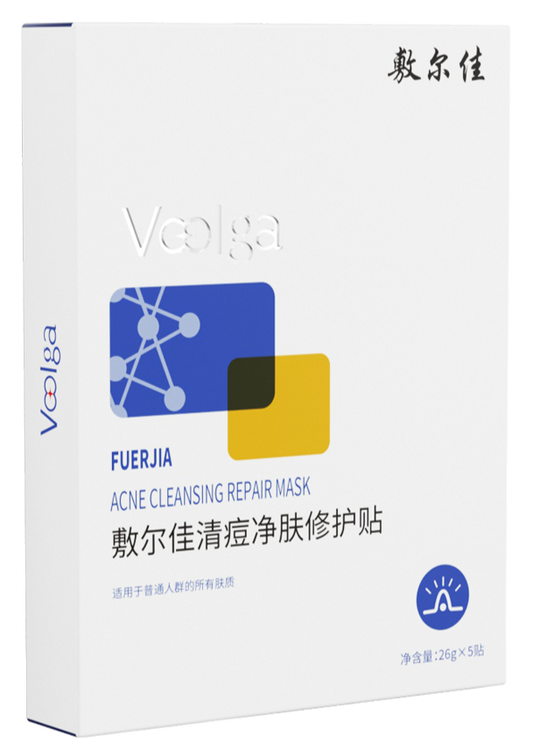
Sheet masks are a particularly effective delivery format for astaxanthin. The occlusive environment prevents the ingredient from oxidizing mid-application, and the 15–20 minute wear time allows for sustained absorption. Voolga combines astaxanthin with tranexamic acid in its clinical-grade mask formulation—a pairing that addresses both antioxidant protection and hyperpigmentation in a single treatment. The Time-Freeze Anti-Wrinkle Facial Mask in the Anti-Aging collection offers a complementary approach for those focused specifically on fine lines and firmness.
For best results, use an astaxanthin mask two to three times per week as part of a broader clinical skincare routine. Layer it after cleansing and before moisturizing. Those with sensitive or reactive skin will find astaxanthin generally well-tolerated due to its anti-inflammatory profile—fewer than 2% of users report irritation in clinical studies.
FAQ
- What does astaxanthin do for your skin? Astaxanthin protects skin cells from oxidative stress, improves elasticity and moisture retention, reduces wrinkle depth, and calms inflammation. It works both orally (4–12 mg/day) and through topical application.
- How long does it take for astaxanthin to improve skin? Clinical trials measure results at 8 to 16 weeks. A 2021 meta-analysis confirmed significant improvements in texture, moisture, and wrinkles by study endpoints.
- Is astaxanthin better than vitamin C for skin? They are complementary. Astaxanthin is vastly more potent at quenching singlet oxygen, but vitamin C is essential for collagen synthesis. Use both at different times of day.
- Can I use astaxanthin with retinol? Yes. Astaxanthin's anti-inflammatory properties can offset retinol irritation. Use astaxanthin in the morning and retinol at night.
- Does astaxanthin replace sunscreen? No. Astaxanthin provides internal antioxidant protection but does not block UV rays. Always wear broad-spectrum SPF 30+.
This article was written by the Voolga Skincare Editorial Team and reviewed for scientific accuracy against peer-reviewed research. Consult a healthcare provider before starting any new supplement, especially if you take blood thinners or have a bleeding disorder. Astaxanthin is a supporting antioxidant—it enhances, not replaces, sun protection and a comprehensive skincare routine.