How I Stopped Rushing Through Masks
I used to be a multitasker masker. Sheet mask on, emails answered, dinner started, laundry switched. The mask was a step in my routine — something to get through, not something to experience. I'd set a 15-minute timer, peel off the sheet, pat in the essence, and move on to the next thing.
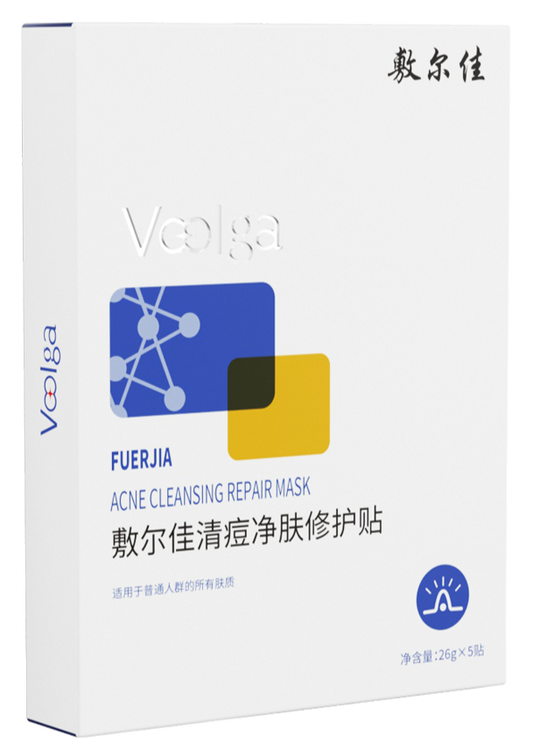
Then one evening last summer, the power went out. No WiFi, no TV, no distractions. I had already opened a sheet mask — the Ectoin Night Repair Mask from Voolga — and I wasn't about to waste it. So I sat on the couch in the dim light of a candle, mask on my face, and did nothing. For 20 full minutes.
It was the first time I'd been still during a mask. And it changed everything — not my skin, not my routine, but my relationship with the practice itself.
A Brief History of the Mask as Ritual
The facial mask is one of the oldest skincare practices I've read about. Ancient Egyptians used clay and honey mixtures as early as 5,000 years ago — Cleopatra's legendary milk and clay masks are the most famous example, but the practice was widespread. In Ayurvedic tradition, ubtan — a paste of herbs, grains, and botanicals — has been applied as a face mask for thousands of years. In East Asia, sheet masking has roots in the beauty practices of Korean and Japanese court traditions, where women used silk and paper sheets soaked in botanical essences.
What strikes me about all these traditions is that the mask was never just about the ingredient. The Asian beauty traditions I've written about before — they're practices. Rituals. The act of preparing the mask, applying it, and waiting was always part of the point. In a world without smartphones, the 20 minutes of stillness was built in. It was just how you masked.
Modern sheet masks — the kind Voolga makes, pre-loaded on a non-woven fabric sheet — are a continuation of that tradition. The technology has changed: non-woven substrates, clinical-grade formulations, batch-dated production. But the essential act hasn't. You still have to stop. You still have to wait. You still have to be still.
What I've Learned About Creating a Mask Ritual
After that power-outage evening, I started experimenting with what I now think of as my mask ritual. Not the product — the practice. Here's what I've learned:
Set the Space Before the Mask
I used to open the mask packet while standing at the bathroom counter, already thinking about what I'd do next. Now I set the space first. I dim the overhead light. I light a candle — not for ambiance, but because the warm light is softer than a bathroom bulb, and I find it helps me shift out of "doing" mode. I pick a playlist — usually something slow, no lyrics. I sit down.
Only then do I open the packet.
Notice the Sensory Details
The first sensation is always the coolness. Even at room temperature, the sheet mask's essence has a cooling quality against the skin. On summer evenings, I refrigerate the White Mask for 10 minutes before applying, and the cold gel against my face makes me inhale sharply — and then I don't want to move.
The texture of the non-woven fabric is something I've come to appreciate. It's not cloth, not paper — it's a material engineered to hold formulation without absorbing it. When I press it against my face, it conforms to the contours: the bridge of my nose, the hollows under my eyes, the curve of my jaw. It feels intentional. Designed for this specific purpose.
The scent depends on the mask. Some are fragrance-free and have almost no scent — just a faint clean smell. Others carry a light botanical note. I prefer the fragrance-free ones for my evening ritual; I don't want to think about smells when I'm trying to be still.
The 20-Minute Rule
I know people who leave masks on for 10 minutes, 15 minutes, 30 minutes. I've settled on 20. It's not about absorption time — I'm not going to claim that 20 minutes is the optimal duration for the formulation to interact with the skin. It's about the commitment to stillness. 20 minutes is long enough that I can't pretend I'm being productive. It's long enough that my mind eventually settles. It's long enough that I notice things — the weight of the mask on my face, the temperature of the room, the sound of the music, the way my breathing slows.
Those 20 minutes have become a boundary. When the mask is on, I don't check my phone. I don't answer emails. I don't plan tomorrow. I just sit.
Seasonal Mask Rituals
One of the things I love about the mask ritual is that it changes with the seasons. Not because the products change dramatically, but because the experience does.
Summer: I refrigerate every mask. I apply it on the balcony in the evening, when the air is warm but the sun is gone. The cold sheet against warm skin is my favorite sensory contrast of the entire year. I can sit outside and feel the breeze move across the mask's surface. Twenty minutes feels like a small vacation.
Winter: I apply masks in a warm room with the heating on low. The contrast is reversed — the mask is room temperature, the room is warm. I light more candles. I use thicker, heavier essences. I stay on the couch under a blanket with only my face exposed. The ritual feels more inward, more cocooned.
Spring and fall: These are transitional seasons for the ritual. Spring is when I start opening windows during the mask. Fall is when I start closing them. The products in my sheet mask collection rotate, but the practice stays the same: open the packet, sit down, be still.
The Social Side of Masking
Masking is usually a solo practice for me, but it doesn't have to be. I've had mask dates with friends where we all sit around with sheet masks on our faces, drinking tea through straws (because you can't lift a cup with a mask on properly), and talking. There's something disarming about sitting with people you care about, all of you with white sheets on your faces. It strips away the performance. You can't take yourself too seriously with a non-woven fabric mask adhered to your forehead.
In Korean culture, group masking — sometimes called "mask packs" — is a common social activity. Friends gather, apply their chosen masks, and spend the time together. It's beauty as community, not beauty as competition. I love this tradition because it takes the mask out of the solitary self-care frame and puts it into a shared experience. The 20 minutes of stillness doesn't have to be alone.
What the Ritual Has Given Me
I'm not going to tell you that sheet masking transformed my skin. That's not what this is about, and I'm not in the business of making claims I can't verify. What I can tell you is what the ritual has given me — and it's not about my face at all.
It's given me a practice of pause. In a day that's full of movement and decisions and inputs, the mask ritual is the one thing I do that requires me to stop. Not for a specific outcome, not for a result, but because taking 20 minutes to be still is a small act of self-respect. It's a way of saying: this time is mine. The mask is the excuse. The stillness is the point.
When I peel off the sheet and pat in the remaining essence, I feel like I've returned from somewhere. Not from a spa or a retreat — from a small, quiet corner of my own day that I carved out and protected. The mask goes in the trash. The candle gets blown out. The playlist ends. But the feeling of having been still — that stays with me for the rest of the evening.
That, I think, is what the ancient mask traditions understood. The clay, the honey, the silk, the non-woven fabric — these are vehicles. The ritual is the destination.
If you're curious about building your own mask ritual, browse the Sensitive Skin Soothing collection or the full sheet mask lineup. Pick one. Set the space. Light a candle. And then — for 20 minutes — don't do anything at all.
This article shares personal reflections on skincare practices and self-care rituals. Voolga makes no claims about the health effects of its products or of any skincare practice.