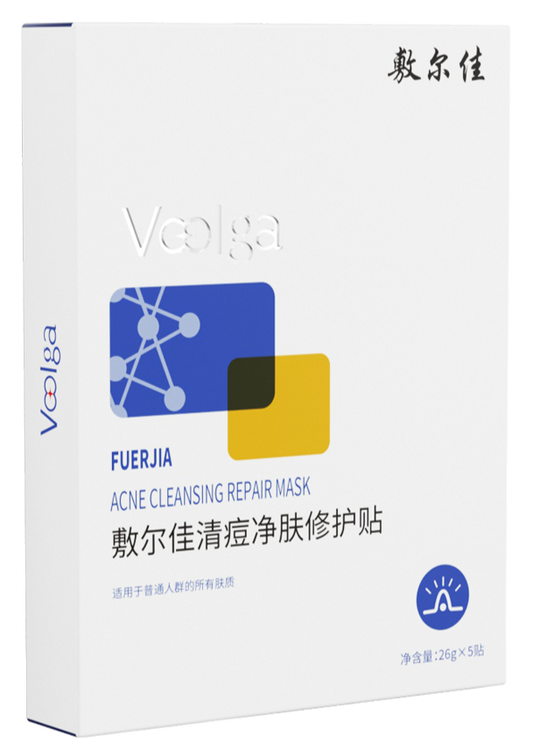
How to Store Sheet Masks: Keep Them Fresh and Ready to Use
I keep my extra sheet masks in a cool drawer beside the skincare shelf, and it took me a few ruined packets to learn that habit the hard way. Early on I left a stash on a sunny shelf above the radiator — a bad idea for any skincare, and worse for a sheet mask, which is basically a sealed pouch of liquid serum suspended in a cloth. Heat and light are the two things that quietly age the whole thing. Store well and your rotation stays fresh and pleasant for the full shelf life; store it badly and a mask you were looking forward to can turn sour, watery, or just plain sad.
The short version up front: keep unopened masks in a cool, dry place out of direct sunlight and away from heat. Keep every pack fully sealed until you use it. Read the Best Before date and treat it as your freshness reference. That is most of it. The rest of this guide walks through why each habit matters, when the fridge is actually worth it, how to spot a mask that has gone off, and the storage mistakes I see people make all the time.
This is a practical take on product care — how to keep a sheet mask at its best, not what it will do to your skin. For the application side, our guide to applying a sheet mask covers fit, positioning, and removal step by step.
Where to Store Unopened Sheet Masks
The goal is simple: a temperature-stable, dry, dark spot. Sheet mask serum is mostly water and humectants suspended in a gentle mix, and stability is what a long shelf life leans on. Three things that work against it are heat, light, and humidity, so your chosen spot should avoid all of them.
For me that is a closed drawer in a cool part of the room, well away from windows and any appliance that gives off heat. A bathroom cabinet works too, as long as it is not the steamy cabinet right beside the shower. The classic trap is the sunny bathroom shelf over the basin — morning sun lands on it, and the room swings steamy after every hot shower. Not ideal for a sealed pouch. If your bathroom is humid and bright, keep masks in a bedroom drawer instead and grab one when you need it.
Temperature swings are the quiet culprit. A mask does not particularly mind 15°C or 25°C; it minds bouncing between them every day. So a spot that stays roughly room temperature all year beats one that heats up in the afternoon and cools at night. If you want a broad look at what a full lineup holds, you can browse the Voolga full lineup — the packs themselves carry the storage basics I am describing here.
Is the Fridge a Good Idea?
You will see a lot of people keep sheet masks in the fridge, and it is not wrong — it is just not automatically the best long-term home for a whole batch. The everyday fridge is humid, and the door opens and closes constantly, which drags the temperature around. Neither is dramatic, but over months it is not the most stable environment for a sealed serum pouch.
Where the fridge genuinely shines is the short-term chill. I have a Black Mask 2.0 ritual I do in summer: I drop a single mask in the fridge for about 20 minutes before I use it, then put it on straight from the chill. The cool, damp contact is the whole point of that session — a refreshing pause, especially on a hot evening. The key is refrigerating the one mask you are about to use, not settling the entire stash in there for months.
So my rule: store your rotation at room temperature in a cool, dark drawer, and chill a single mask for fifteen to thirty minutes when you want a cooling experience. You get the best of both without asking the fridge to act as long-term storage.
Keep Every Pack Sealed, and Mind the Humidity
A sheet mask's freshness lives and dies on the seal. The pouch is designed to hold the serum exactly where it belongs — one use, then the packet is spent. Partly used packs do not reseal well and invite air and moisture in, which is how the serum changes texture. So a few firm habits pay off:
- Open a mask only when you are ready to use it. It is tempting to peek, but every opening lets air in.
- Leave unopened masks alone. Don't squeeze, flex, or "check" the packs constantly — the seal is doing a job.
- Keep used packs out of the stash. An empty or half-used pouch sitting among fresh ones is only confusion. Toss it.
- Watch humidity where you store the rest. A damp drawer or a steamy cabinet adds moisture stress to the outside of the packs over time.
Humidity matters because the serum inside is water-based, and the pouch's seal is what keeps that water exactly where it belongs. Outside dampness does not immediately ruin a sealed mask, but a consistently humid home is one more reason to prefer a dry drawer over a bathroom rack.
How to Tell a Sheet Mask Has Gone Off
You do not need a lab to check the health of a mask — you need your senses. A mask that has aged past its best will tell you, usually in one of three ways:
- Color. The serum or the sheet has changed shade — darker, yellowish, or just "off" from what it looked like when new.
- Smell. The familiar scent has gone sour, sharp, or just different. A faint sour note is the giveaway most people notice first.
- Texture. The serum has separated, thickened, turned watery, or no longer feels like the smooth liquid you expect. Sometimes the sheet itself feels dry or stiff.
These are simple sensory checks — how something looks, smells, and feels. If a sealed mask seems off on any of them, it has passed its prime, and the honest call is to skip it rather than use it anyway. When in doubt, a fresh mask costs little; a disappointing session costs the whole ritual. Trust the signs you can actually see and feel over the calendar alone.
Reading the Best Before Date
Every Voolga mask is batch-dated, so the pack carries a Best Before stamp — something like Best Before 2026.9.20. That date is a quality and stability marker, not a health-safety deadline. It is the manufacturer's estimate of how long the product is expected to remain at its best, based on how it was made and packaged.
Understanding that distinction matters. A Best Before date is not "suddenly unsafe one minute past midnight." It means: this is the window in which you can count on the mask to be at its freshest. Before the date, quality is at its intended best. After it, the mask is likely past its prime — serum texture, scent, and color can shift — even though the packet may still be sealed and the contents look normal at a glance.
My practical rule is to treat it as a freshness reference and use masks while they are comfortably inside the window. Rotate your stash so older packs get used first, and if a pack is well past its date, let the sensory check decide. Batch dating is a nice sign of care — it means somebody tracked production rather than printing a vague year — but the date alone is not a promise.
Storing Masks on the Go
Travel is where good storage habits get tested, because your usual cool drawer is several hours away. For a short trip, keep a couple of sealed packs in a pouch inside your carry-on, away from direct sun — a toiletry bag in your bag is perfectly fine. For long-haul flights or hot destinations, the main rule is to keep the masks out of heat and light: not in a car glovebox, not on a windowsill in a hot room, not pressed against the warm side of your luggage.
One genuinely nice travel trick: on a long flight, the pressurised, dry cabin can leave you wanting a little refresh, and a sheet mask you kept in a cooler or chilled before departure makes a lovely end-of-day pause at the hotel. Just reseal the pouch idea — no, once it is open, it is a one-session thing. Pack one per day you plan to use it, and you will never have to weigh a half-used mask in your suitcase on the way home.
Common Storage Mistakes to Avoid
Most mask problems trace back to a handful of habits. Name them and they are easy to dodge:
- Sunny shelf or windowsill. Direct light accelerates aging. A dark drawer wins every time.
- Near a heat source. Radiators, ovens, and even a warm electronics area push temperature around. Keep masks cool.
- Long-term fridge for everything. Fine for a quick chill; a down-side for a whole batch in a humid, frequently opened fridge.
- Holding onto ancient packs. Masks past their Best Before date but still looking fine confuse the rotation. Use the oldest first and clear out the stragglers.
- Peeking and resealing. Every open invites air in. Open one when you are ready, and only then.
Get the fundamentals right and your masks will be waiting exactly as you expect them. For the rhythm side — how many times a week to use them and how to build a rotation — our practical guide to sheet mask frequency picks up where storage leaves off. And if you are curating which masks earn a place in that drawer, our look at whether facial masks are still effective in 2026 is worth a read, alongside the sheet mask collection.
Frequently Asked Questions
What is the best place to store sheet masks?
Keep unopened sheet masks in a cool, dry spot out of direct sunlight and away from heat sources. A closed drawer or cabinet works well. The goals are temperature stability and low humidity, which help the sealed serum keep its texture and scent for longer.
Should sheet masks go in the fridge?
It is not required, and an everyday fridge is not always the ideal long-term home because of humidity and how often the door opens. A cool, dark drawer keeps masks perfectly well. If you want a chilled, cooling experience, refrigerate a single mask for 15 to 30 minutes before use rather than storing the whole batch there.
How long do unopened sheet masks last?
An unopened, properly stored sheet mask typically has a shelf life of one to three years from manufacturing. Voolga batch-dates each mask, so check the Best Before date printed on the pack — it tells you the window in which the product is expected to stay at its best quality.
What does the Best Before date mean?
The Best Before date is a quality and stability marker, not a health-safety deadline. It reflects how long the manufacturer expects the product to remain at its best. If a mask is past its date but the packet is sealed and the serum still looks, smells, and feels normal, it may simply be past its prime — but for the best experience, treat the date as a guide to use masks while they are freshest.
How can you tell if a sheet mask has gone off?
Use your senses. A mask that has gone off may show a change in color, an off or sour smell, or a serum texture that has separated, thickened, or turned watery. If a sealed mask looks, smells, or feels different from how it should, it is better to skip it. Trust the signs you can see, smell, and feel rather than a calendar alone.
Are sheet masks okay to travel with?
Yes. For short trips, keep a couple of packs sealed in a pouch away from direct sun. For long-haul or hot destinations, keep masks somewhere insulated rather than in a car glovebox or a windowsill. A single mask chilled in the fridge before a flight can be a nice cooling pick-me-up at the end of a long day.
This article is for informational purposes about skincare products and ingredients. Voolga makes no claims about the health or medical effects of its products.