Both lactic acid and glycolic acid are powerhouse AHAs, but they work very differently on skin. One is fast and aggressive; the other is slow and hydrating. Here's how to choose the right one for your skin type and concerns.
The Short Answer
Glycolic acid penetrates deeper and works faster for anti-aging and hyperpigmentation, but it's more likely to cause irritation. Lactic acid is gentler, hydrating, and better suited for sensitive, dry, or reactive skin (source: Clarins). For mask-based treatments specifically, lactic acid offers the advantage of delivering exfoliation alongside hydration — making it the better choice for longer wear time like sheet masks.
Key Differences at a Glance
| Feature | Glycolic Acid | Lactic Acid |
|---|---|---|
| Source | Sugarcane | Milk, fermented plants |
| Molecular Size | Very small (76 daltons) — penetrates deep | Larger (90 daltons) — gentler penetration |
| Primary Strength | Fast resurfacing, wrinkle reduction, pigmentation | Exfoliation + hydration + barrier support |
| Best For | Oily, normal, resilient skin | Dry, sensitive, reactive, or mature skin |
| Hydration | No humectant properties | Acts as a humectant — draws moisture in |
| Irritation Risk | Higher — can sting, especially at higher concentrations | Lower — generally well-tolerated |
Glycolic Acid: The Fast-Acting Resurfacer
Glycolic acid has the smallest molecular size of all AHAs, which allows it to penetrate deeply and work quickly. It's the ingredient dermatologists reach for when the goal is visible resurfacing — reducing hyperpigmentation, smoothing texture, and softening wrinkles in a shorter time frame (source: Kiehl's).
Best used for: Hyperpigmentation and dark spots, deep textural concerns, resilient oily skin that tolerates strong actives, and when fast visible results are the priority.
Be cautious if: You have sensitive, rosacea-prone, or dry skin — glycolic acid can worsen redness and compromise an already-weakened barrier.
Lactic Acid: The Gentle Exfoliator That Hydrates
Lactic acid is unique among AHAs because it's a humectant — it draws moisture into the skin while it exfoliates. This dual action makes it significantly more comfortable for dry, sensitive, or mature skin types. It's also a natural component of the skin's moisturizing factor (NMF), meaning it works with your skin's biology rather than against it (source: Sunday Riley).
Best used for: Gentle exfoliation without irritation, improving skin texture and tone gradually, dry or dehydrated skin that needs hydration alongside exfoliation, and sensitive or reactive skin conditions.
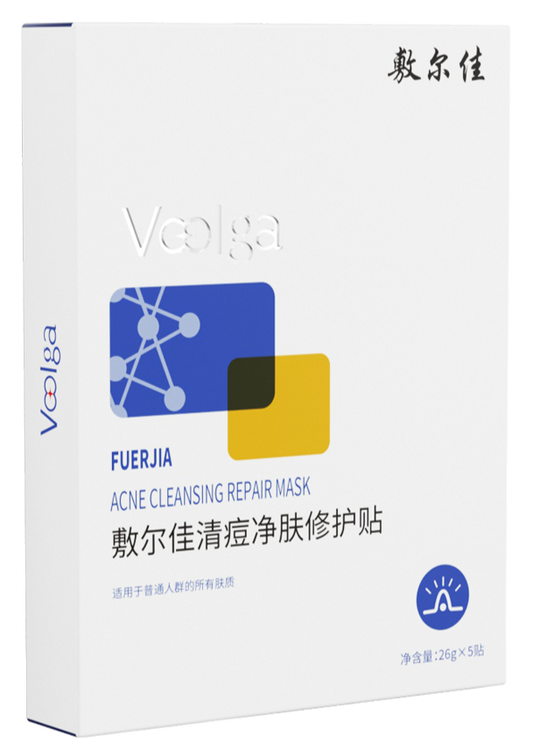
In face masks: Lactic acid is particularly well-suited for leave-on mask formats because its hydrating properties counteract the drying effect of exfoliation. Voolga's Lactic Acid Oil Control and Astringent Mask combines third-generation fruit acid (lactobionic acid) with lactic acid to gently exfoliate while controlling oil — ideal for combination and acne-prone skin that still needs barrier respect.
Which One Should You Choose?
Choose glycolic acid if: Your skin is resilient and oily, your primary concern is hyperpigmentation or deep wrinkles, you want faster results and can tolerate potential stinging, and your barrier is strong and undamaged.
Choose lactic acid if: Your skin is dry, sensitive, or easily irritated, you want exfoliation with added hydration, you're new to chemical exfoliation, you're managing conditions like rosacea or eczema, or you prefer gradual, comfortable improvement over aggressive resurfacing.
How to Use AHAs Safely in Your Routine
Whichever acid you choose, follow these safety guidelines:
- Start slow: Use AHA-based products 1–2 times per week at night to build tolerance.
- Don't layer: Never combine glycolic and lactic acid in the same session. Pick one.
- Avoid mixing with retinoids: Don't use AHAs and retinol on the same night.
- Use SPF: AHAs increase photosensitivity. Always apply broad-spectrum SPF the morning after use (source: SLMD Skincare).
Our Recommendation
For most skin types, especially those dealing with sensitivity, dryness, or the need for barrier-friendly exfoliation, lactic acid is the safer, more versatile choice. Its dual action of gentle exfoliation plus hydration makes it particularly well-suited for mask-based treatments where prolonged skin contact is involved.
Explore our Acne Control collection and Sensitive Skin Soothing collection for AHA-compatible routines, or browse our complete product catalog to find the right mask for your skin.
About the Author — This article was researched and written by the Voolga Skincare team. Voolga is the exclusive authorized North American reseller of clinical-grade facial masks formulated with medical dressing technology.
Sources